

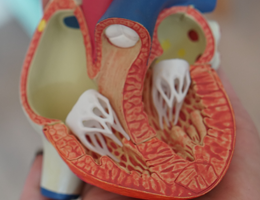
Coronary Artery Disease
Coronary artery disease (CAD) is a common heart condition that affects millions of people around the world. It occurs when the arteries that supply blood to the heart become narrowed or blocked,...
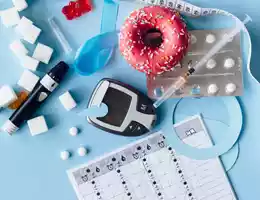
Diabetes
Diabetes and heart disease are often closely linked. Diabetes is a metabolic disorder characterized by high levels of sugar (glucose) in the blood, which can lead to damage to various organs,...

Echocardiograms
An echocardiogram is a diagnostic test that uses ultrasound waves to create images of the heart. It is a non-invasive test that is painless and usually takes less than an hour to complete....
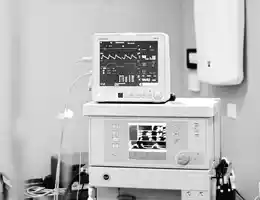
EKGs
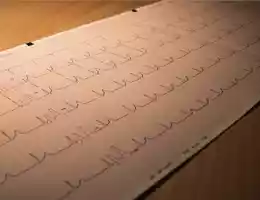
An electrocardiogram (EKG or ECG) is a diagnostic test that measures the electrical activity of the heart. EKGs are commonly used to diagnose and monitor a variety of heart conditions, including...
FAQs
How long is my blood work valid for? Blood work done prior to any procedure is usually good for no more than 30 days. Blood work in general may be good for up to a year, although this may vary...
Heart Attack
A heart attack, also known as a myocardial infarction (MI), occurs when there is a blockage in one or more of the coronary arteries that supply blood to the heart muscle. This blockage prevents...
Pacemakers
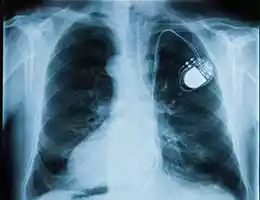
A cardiac pacemaker is a medical device that is used to regulate the heartbeat of individuals who have an abnormal heart rhythm. The device is implanted under the skin of the chest and connected...
Palpitations
Palpitations are an abnormal awareness of the heartbeat, which can feel like a fluttering or racing sensation in the chest. While palpitations are often harmless, they can also be a sign of...
Stents
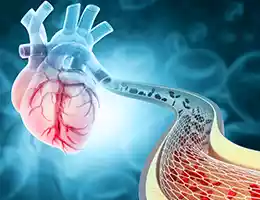
Coronary stents are small, expandable mesh tubes that are used to treat coronary artery disease (CAD). They are designed to hold open narrowed or blocked coronary arteries and improve blood...